
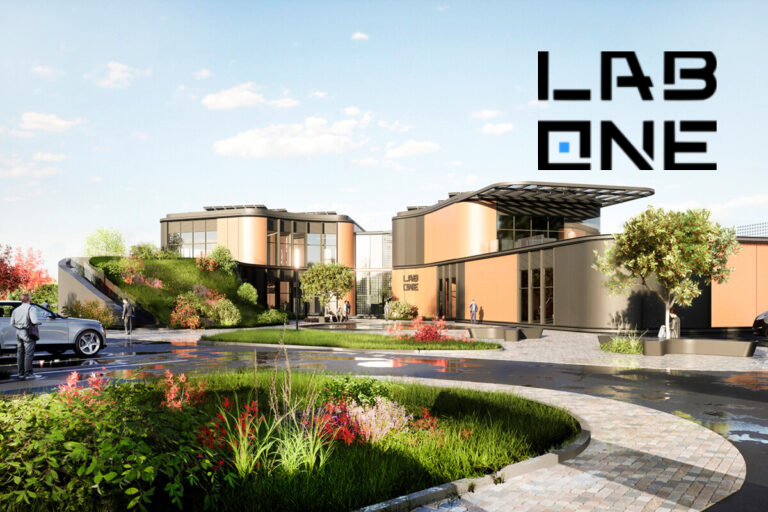
ABOUT THE PROJECT
1 SDT LABONE = 0,000153 kW | Current Price: $0.80 USD
The LAB ONE unit serves a dual function. It is a modern research unit focused on constructing energy clusters, their modeling, and the implementation of technologies related to hydrogen solutions, various forms of energy storage, and renewable energy sources (RES). In addition, it develops innovative IT solutions that enhance energy efficiency and integrate modern technologies using AI. The second function of LAB ONE is its production activity within the framework of a demonstration energy cluster – the ECM ecosystem. Within this ecosystem, users, based on their acquired power rights, can produce their own energy and obtain certificates of origin (green certificates). This unique solution enables the practical application of the concept of sustainable and decentralized energy, supporting the development of local communities and businesses in the areas of energy transition, cost optimization, and profit maximization. The total production capacity of the unit is 2.4 MW, generated by a photovoltaic farm, vertical wind turbines, and an exceptional self-sufficient building incorporating BIPV solutions. The generated energy is processed in PEM electrolyzers into green hydrogen, oxygen, and thermal energy, maximizing the project’s profitability. The cluster also includes a commercial hydrogen refueling and electric vehicle charging station. All processes within the LAB ONE cluster are automated and digitally managed through the e-Vision system and the decentralized DApp ECM energy wallet. The available production capacity of the cluster is represented in a series of SDT1 Lab One smart contracts, allowing the application of the virtual prosumer ECM model.
LAB ONE is located in Gniewino, northern Poland. The cluster’s property covers an area of 30,100 m². The anticipated minimum operational period of the installation is 25 years.
A significant social aspect of the project is its positive environmental impact. Thanks to the applied technology, LAB ONE is a zero-emission cluster, meaning that the energy produced, regardless of its form, does not emit any pollutants into the atmosphere.
TECHNOLOGY
The structure of the LAB ONE cluster combines renewable energy generation, hydrogen technologies, and a wide range of IT solutions, including DLT, AI, and the e-Vision management system. These technologies ensure zero emissions, process automation and optimization, as well as security and transparency in financial settlements.
RENEWABLE ENERGY GENERATION (OZE):
The energy generation process in LAB ONE is driven by a photovoltaic farm built with bifacial panel technology. To ensure continuous energy production, the cluster also includes vertical wind turbines, which are highly efficient, operate quietly, and require only a low starting wind speed.
BUILDING INTEGRATED PHOTOVOLTAICS (BIPV):
To maximize energy production, the architecture of the Future Solutions – LAB ONE building incorporates various BIPV elements, including carports, BIPV skylights, an integrated photovoltaic facade, quantum glass, and a photovoltaic terrace roof. The comprehensive building-integrated photovoltaic solutions were supplied by ML System, a leading company in this field.
HYDROGEN TECHNOLOGY (H2):
LAB ONE is a cluster of the future. The generated energy is converted through the process of water electrolysis into green hydrogen and oxygen. This process also produces waste heat. The unit utilizes PEM (Proton Exchange Membrane) electrolyzers, known for their high efficiency, rapid start-up, and exceptional purity of the hydrogen produced. These electrolyzers require only demineralized water and electricity for operation. Additionally, LAB ONE is equipped with a test commercial hydrogen refueling station (SHES), further enhancing its hydrogen infrastructure.
E-VISION MANAGEMENT SYSTEM:
All production, storage, and measurement processes within LAB ONE have been fully automated. e-Vision, developed as part of Future Solutions, is an advanced tool designed for energy clusters and energy cooperatives. Its comprehensive billing mechanism, integrated with smart metering devices, ensures transparent and clear energy production settlements. Additionally, e-Vision optimizes hydrogen and electricity production by managing the cluster’s entire interconnected technology. The system also allows real-time monitoring of unit performance. The operational data collected by the cluster’s system serves as the foundation for the DApp ECM system, which automatically records the amount of generated energy and regulates the issuance of EC tokens based on the 1 kWh = 1kWh parity principle.